


The 4 Key Ingredients for Catching Atlantic Salmon

This year's salmon fishing in Iceland has been a tale of two coasts. While many anglers on the west coast have faced disappointment, rivers on the northeast coast have seen a much stronger run, proving that even as global salmon numbers decline, a successful trip depends on several key factors.
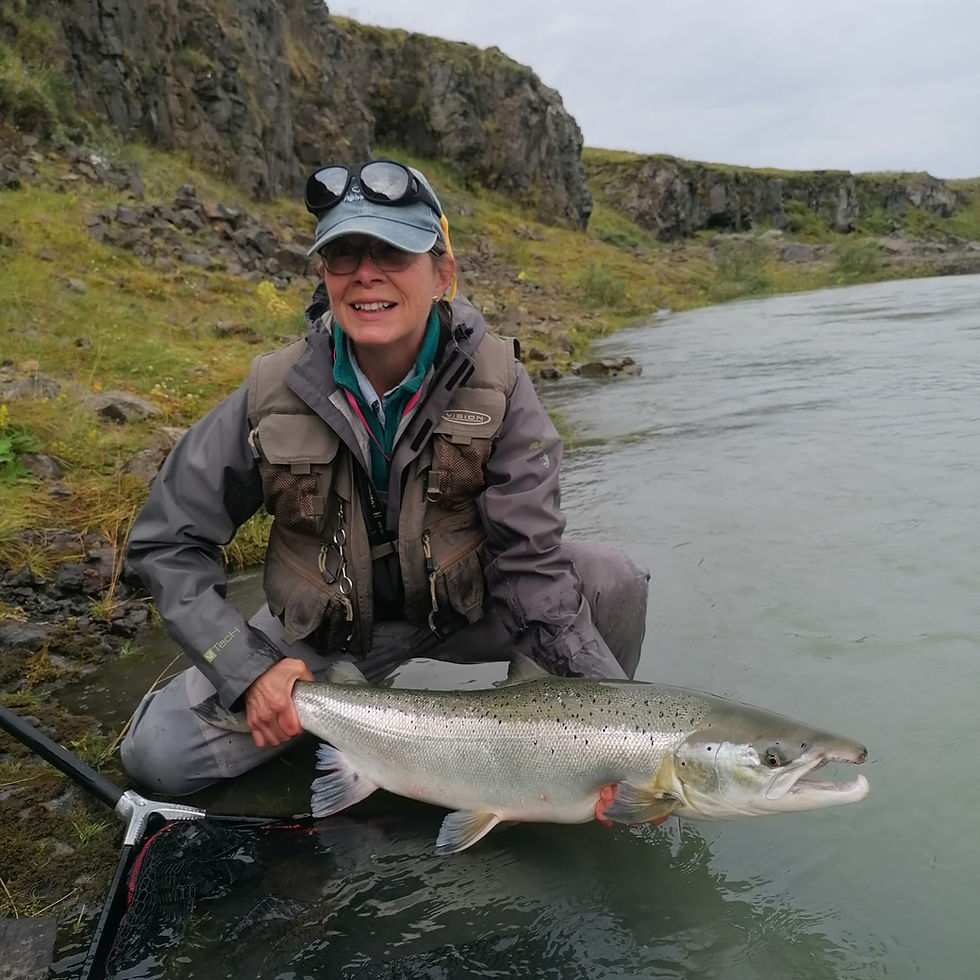
The Four Ingredients for a Successful Salmon Trip
Catching salmon consistently relies on four crucial elements:
Fresh Fish - This is the most important factor. You need new salmon to be actively moving into the pools you're fishing. Without them, your chances are minimal.
Good Water Levels - Sufficient water is vital. Droughts make it difficult for fish to run upstream, causing them to stack up in deeper pools where they are more vulnerable and harder to find.
Favorable Weather - Bright sun and warm conditions make salmon wary and less likely to take a fly. Cloudy, cooler weather is often more productive.
Being in the Right Pools - During a drought or a year with a low salmon run, fish will gather in a limited number of deep pools. This makes being in the right location more critical than ever. As seen on Scotland's River Spey this year, 90% of the fish will have been caught from fewer than 15 pools. Great if you happened to be in one of those, but out with those pools, as will have been the case with most people visiting, your chances were slim.
Iceland's Management System and Its Limits
Iceland's fisheries are known for their excellent management, with far fewer anglers per mile of river compared to places like Scotland or Norway. This system works well under normal conditions, ensuring that each rod has access to fresh, unfished water. However, this system breaks down during a drought.
When low water levels force fish to congregate in a small number of pools, the benefits of having fewer anglers diminish. Suddenly, every angler is focused on the same few spots, which puts pressure on the fish and can make the fishing experience more challenging, even with fewer people on the river.
The contrast between Iceland's coasts this year perfectly illustrates these points. The west coast, with a poor run and low water, presented a worst-case scenario. In contrast, the northeast coast had better water levels and a stronger run, leading to excellent fishing. This success was likely due to a combination of more smolts escaping from that region and the favorable conditions allowing the returning fish to spread out more naturally.
Another interesting observation this year is the fact that, whether East or West, those hatchery rivers have fared much better than the others. There is so much to be taken out of what has happened up here during this summer should anyone want to look a little further.
Following the Spey Fishery Board's decision to expand its hatchery, it's crucial to acknowledge that there's a right and wrong way to proceed. Rather than simply repeating past methods, I believe the board should bring in experienced professionals with a proven track record of success to ensure this initiative is effective. This need for a more strategic approach is particularly relevant when considering the River Dee. Many argue that the Dee should have taken a similar precautionary approach, especially after significant losses from events like Storm Frank. Instead of using its hatchery to replenish the lost fish population, the Dee Board inexplicably chose to close it—a decision that many find hard to believe. Hopefully the decision by the Spey will lead to a positive change elsewhere.


A brave decision by the Spey Board to launch this project and good luck with it. But it’s unlikely that the method selected would avoid problems with genetics. Nor does taking out wild smolts for hatchery rearing look logical. We must live in desperate times. Seems to gamble upon obtaining better survival in an artificial environment up to the maturation stage than fish can achieve in the wild. I doubt if this project will succeed.
Ian , delighted to hear about the Spey Boards decision, long overdue! What is crucially important is that it is an intellegently run operation and not the 'chuck it it n chance it' operations of yesteryear which unfortuantely the majority of the scientific studies where bassed on ! Autumn parr showing the best returns for the late Peter Gray. I would like to see proven professionals like Bob Kindness consulted.